
DIY vs. Professional Care: When to See a Dentist for Teeth Grinding
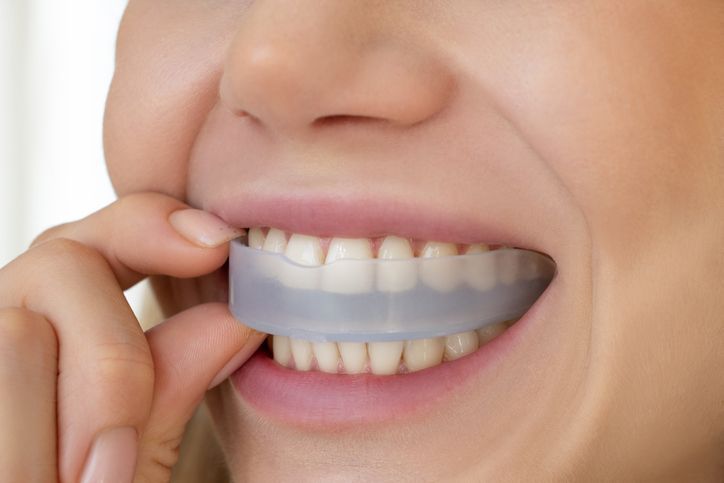
Teeth grinding, also known as bruxism, is a common issue affecting many adults, particularly those dealing with stress or anxiety. While some individuals may attempt to manage the condition on their own, professional dental care is often necessary to prevent long-term damage. In this blog, we’ll explore the pros and cons of DIY teeth grinding remedies versus seeking professional dental care, and when it's time to consult a dentist.
What is Teeth Grinding (Bruxism)?
Teeth grinding occurs when individuals unconsciously grind, gnash, or clench their teeth. It can happen during the day, but it is most common at night. Bruxism can lead to various dental problems, including worn-down teeth, jaw pain, and headaches.
The Connection Between Teeth Grinding and Other Health Issues
Teeth grinding (bruxism) is not just a dental concern; it can have far-reaching effects on your overall health. Many people who grind their teeth may also be dealing with other health conditions that either contribute to or are caused by bruxism.
Sleep Disorders
One of the most common issues associated with bruxism is sleep disturbances. People who grind their teeth during the night may experience disrupted sleep or develop conditions like sleep apnea. The grinding itself can lead to micro-arousals during sleep, affecting the quality of rest. In some cases, bruxism and sleep apnea may feed into each other, creating a cycle that can be difficult to break. Sleep disturbances can contribute to feelings of fatigue and irritability, impacting daily life and well-being.
Chronic Stress and Anxiety
Stress is one of the leading causes of bruxism, with many people grinding their teeth as a response to anxiety or tension. Over time, this chronic stress can take a toll on both mental and physical health. While stress management techniques such as yoga and meditation can help, bruxism may still require professional care, as the physical impact on the jaw, teeth, and gums can be significant.
TMJ Disorders
Bruxism is also linked to temporomandibular joint (TMJ) disorders, which affect the jaw’s ability to move smoothly. Bruxism can cause strain on the jaw muscles and lead to inflammation in the TMJ. This results in jaw pain, clicking or popping sounds when opening the mouth, and difficulty chewing or speaking. If left untreated, TMJ disorders can become more severe, causing long-term pain and discomfort.
The Risks of DIY Treatments
Many people resort to DIY methods to manage bruxism, such as using over-the-counter mouthguards, practicing relaxation techniques, or avoiding caffeine. While some of these methods may offer temporary relief, they are not a comprehensive solution and can sometimes worsen the problem. For example, poorly fitted mouthguards can cause discomfort or even misalignment of the teeth.
The Benefits of Professional Dental Care
A professional dentist can offer tailored solutions for bruxism, such as custom-fitted mouthguards, which provide better comfort and protection. Dentists can also identify underlying causes of teeth grinding, such as misaligned teeth or stress, and recommend treatments like orthodontics or stress management.
When to See a Dentist
While some mild cases of teeth grinding may not require immediate attention, it's important to visit a dentist if you notice the following symptoms:
- Jaw pain or stiffness
- Worn-down or chipped teeth
- Frequent headaches, particularly in the morning
- Sore gums or teeth sensitivity
At SmileOn Dentistry in Centreville, VA, we understand the impact of bruxism on your overall well-being and offer personalized care to address your specific needs.
General Dentistry and Bruxism Treatment
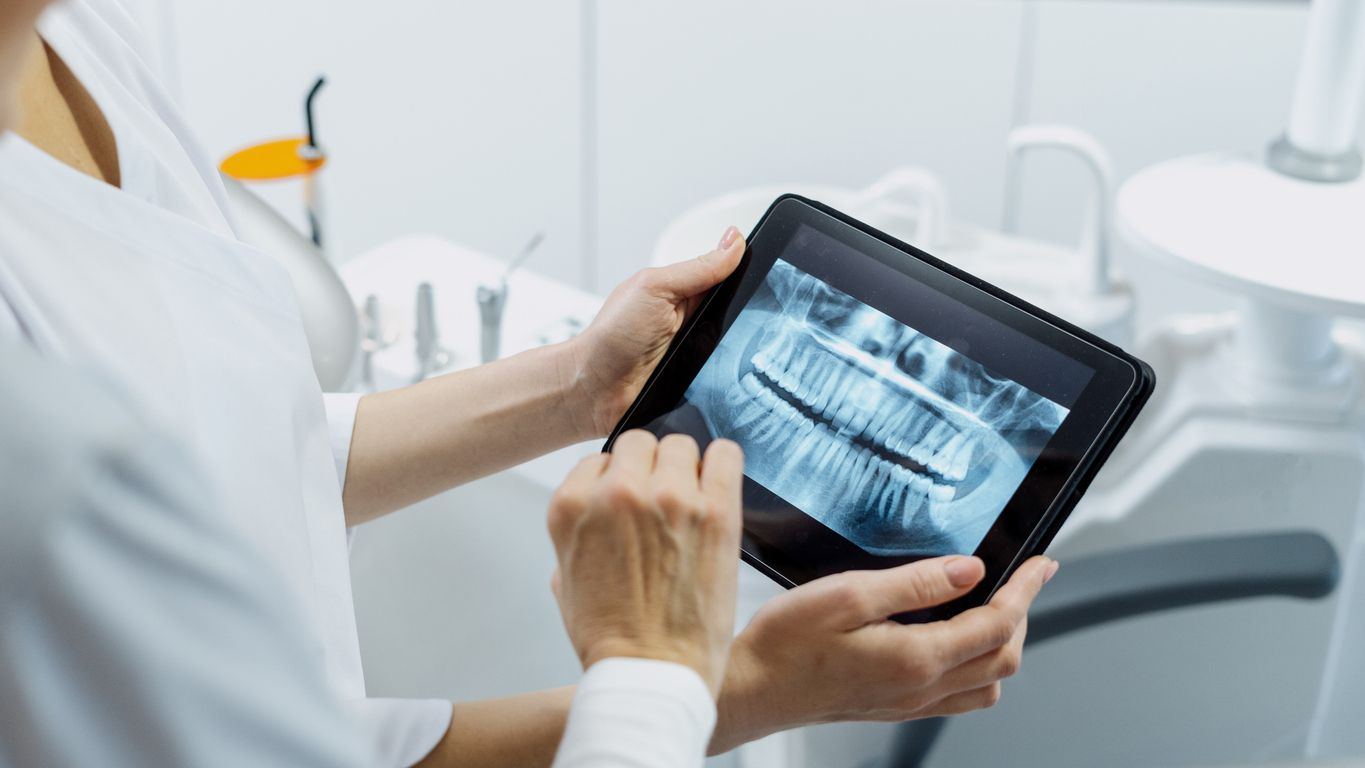
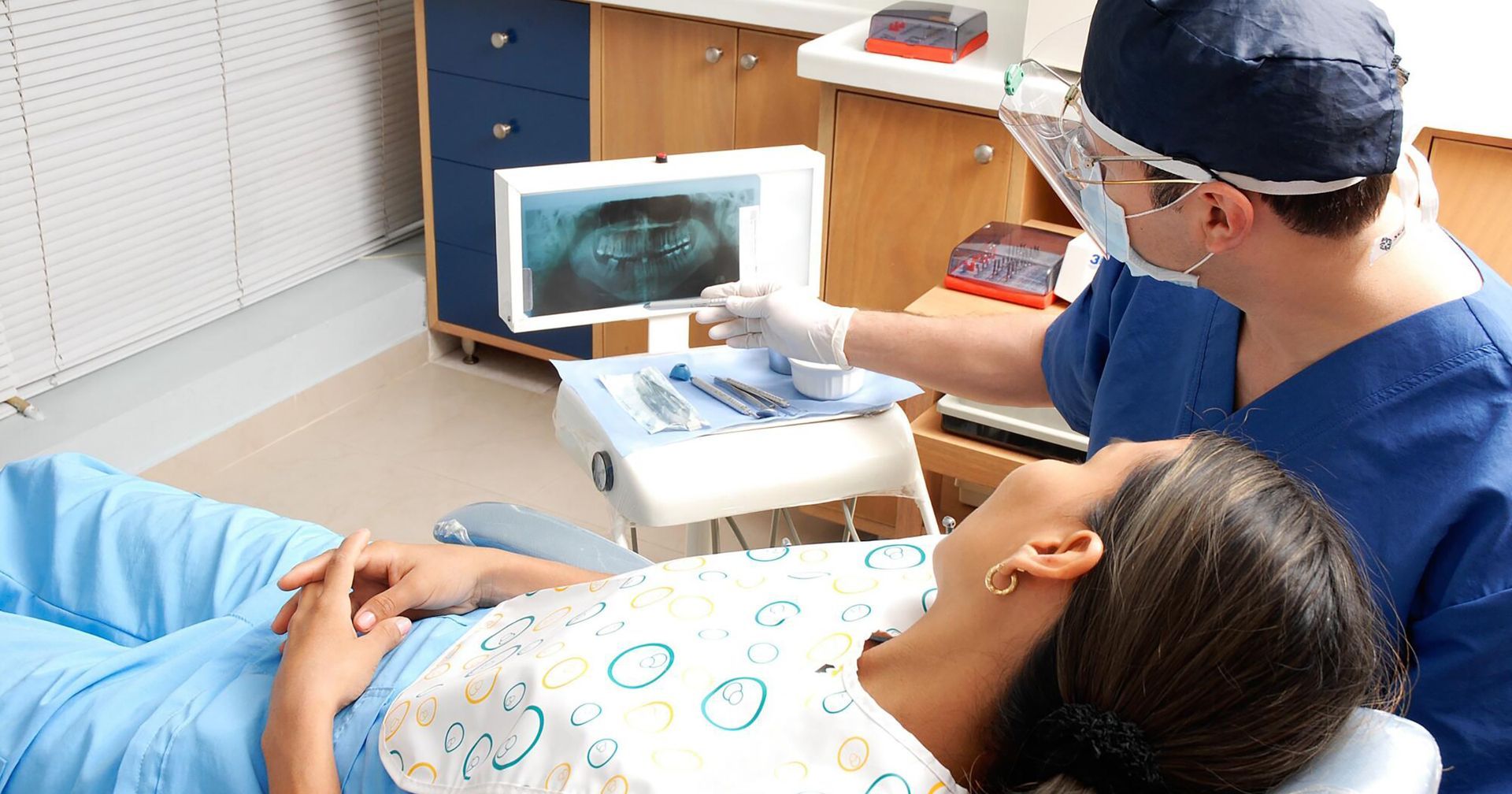
General dentistry plays a crucial role in diagnosing and treating bruxism. Your dentist will conduct a thorough examination to assess the extent of the damage caused by grinding. With advanced technology and a caring approach, SmileOn Dentistry offers the highest standard of care, ensuring your comfort and well-being.
How to Choose a Dentist for Bruxism Treatment
Choosing a dentist for bruxism treatment is an important decision. Look for a dentist who:
- Specializes in
general dentistrywith experience in bruxism treatment
- Uses cutting-edge technology for accurate diagnosis and treatment
- Provides personalized care in a comfortable, welcoming environment
At SmileOn Dentistry, Dr. Rohini Banavar and her team prioritize family-friendly care and use the latest dental technology to provide effective, long-lasting solutions for teeth grinding.
The Importance of Early Intervention in Bruxism
Early intervention is crucial in preventing the long-term effects of bruxism. The sooner you address the issue, the more likely you are to avoid serious damage to your teeth and jaw. Many individuals dismiss bruxism as a minor problem, but in reality, the damage it causes can be extensive, requiring costly and invasive dental procedures down the line.
Preventing Tooth Damage
The primary benefit of early intervention is preventing irreversible damage to your teeth. By seeking professional care at the first sign of teeth grinding, your dentist can recommend treatments such as custom night guards, which protect your teeth from wear and tear. Early treatment can also help address any misalignment issues that may be contributing to the grinding.
Minimizing Jaw and Muscle Pain
Another advantage of early intervention is preventing jaw and muscle pain. By addressing bruxism early, you can avoid developing TMJ disorders, which can cause long-lasting pain and discomfort. A dentist may recommend exercises, stress-relief techniques, or even orthodontic treatment to alleviate the strain on your jaw and muscles.
Avoiding Extensive and Costly Treatment
In many cases, untreated bruxism leads to severe tooth and jaw damage that requires expensive restorative procedures. These may include crowns, root canals, or even full mouth reconstruction. By seeking treatment early, you can save yourself from having to undergo these extensive procedures and maintain your natural teeth and smile for longer.
Improving Quality of Life
Finally, early intervention in bruxism can improve your overall quality of life. Chronic pain, discomfort, and disrupted sleep caused by teeth grinding can impact your mood, energy levels, and productivity. Addressing bruxism early on can help alleviate these issues, allowing you to enjoy a healthier, more comfortable lifestyle.
Understanding the Long-Term Effects of Bruxism
While bruxism may seem like a minor issue, the long-term effects can be significant, especially if left untreated. Over time, teeth grinding can lead to a number of dental and health problems, some of which require extensive and costly treatments to correct.
Permanent Tooth Damage
One of the most noticeable long-term effects of bruxism is the wear and tear on your teeth. As you grind your teeth, the enamel, which is the protective outer layer of your teeth, wears down. This can lead to severe tooth sensitivity, cavities, and even fractures. In some cases, bruxism can cause teeth to become uneven or misaligned, resulting in the need for restorative procedures like crowns or bridges.
Increased Risk of Tooth Decay
As bruxism wears down enamel, it makes teeth more susceptible to cavities and decay. Enamel loss is irreversible, and once the protective layer is gone, the underlying tooth structure is exposed to harmful bacteria. This increases the likelihood of decay, which may require more extensive dental treatments, such as fillings, root canals, or even tooth extraction in severe cases.
Jaw Pain and Discomfort
Persistent teeth grinding can lead to chronic pain in the jaw, neck, and shoulders. This discomfort often worsens over time, leading to a condition known as temporomandibular joint (TMJ) dysfunction. TMJ disorders are marked by pain, difficulty moving the jaw, and clicking or popping sounds when speaking or chewing. Untreated bruxism can exacerbate these symptoms, leading to long-term discomfort and difficulty in everyday activities.
Increased Risk of Gum Disease
Bruxism can also contribute to gum recession, a condition where the gums pull away from the teeth, exposing the roots. This increases the risk of gum disease, as the gums no longer offer the same level of protection. Gum disease can lead to further tooth loss and other serious health complications, such as bone loss in the jaw.
When to Seek Help
If you experience any of the symptoms mentioned earlier, it’s time to consult with a dentist. Ignoring bruxism can result in serious dental issues that may require extensive treatment, including crowns or even root canals.
FAQ
Q: Can I treat bruxism on my own?
A: While some home remedies may provide temporary relief, professional dental care is essential to effectively treat bruxism and prevent long-term damage.
Q: How do I know if I need a custom mouthguard?
A: If you have been grinding your teeth at night or are experiencing jaw pain or worn teeth, a custom mouthguard may be recommended to protect your teeth and reduce discomfort.
Q: Can stress cause teeth grinding?
A: Yes, stress is one of the leading causes of bruxism. Your dentist can help you identify stress-related triggers and recommend strategies to manage them.
Q: How often should I see a dentist for bruxism?
A: It’s important to visit your dentist regularly to monitor the condition and prevent further damage. Your dentist may recommend follow-up visits based on the severity of your bruxism.
Conclusion
While DIY solutions for teeth grinding may offer temporary relief, professional dental care provides long-term benefits and ensures the health of your teeth and jaw. At
SmileOn Dentistry, we are dedicated to providing personalized care and treatment for bruxism, helping you achieve a healthy, pain-free smile. If you’re experiencing symptoms of bruxism,
contact us today to schedule an appointment and start your journey toward better oral health.