
Periodontics In Centreville VA
At every visit, we examine patients to detect any signs of gum disease. Maintaining healthy gums is an important part of helping our patients retain all their teeth. If we see early signs of gum disease, we will recommend at-home hygiene changes and care in our office to treat it.
Why Gum Health Matters
The foundation of a healthy smile is healthy gum tissue. While most people focus on their teeth when thinking about oral hygiene, the gums play a critical role in protecting their teeth, jawbone, and overall oral health. Without proper care, gum disease can progress silently and cause significant long-term damage.
At SmileOn Dentistry in Centreville, VA, Dr. Banavar and her team take a proactive approach to periodontics, ensuring your gum tissue remains strong, healthy, and free from infection.
What Is Gum Disease?
Gum disease, also known as periodontal disease, is a chronic bacterial infection that affects the gum tissue, supporting bone, and ligaments that hold your teeth in place. It’s a progressive condition, meaning it starts with mild symptoms and can advance to serious dental complications if left untreated.
The disease typically progresses in two main stages:
- Gingivitis (early stage)
- Periodontitis (advanced stage)
Both stages are treatable, especially when detected early, but they require timely professional intervention and consistent oral hygiene to control and reverse the damage.
Early Signs of Gum Disease
The earliest signs of gum disease may be subtle but should never be ignored. Reddened areas in the gums, sore or swollen spots, and bleeding while brushing or flossing are often the first indicators of gingivitis. These symptoms result from inflammation caused by plaque buildup along the gumline. In some cases, patients may also notice tenderness or mild discomfort. Recognizing these early symptoms and seeking timely treatment can prevent the condition from progressing to a more severe stage.
What Causes Gum Disease?
The primary cause of gum disease is the accumulation of plaque, a sticky film of bacteria that forms on teeth after eating or drinking. When plaque isn’t removed through proper brushing and flossing, it hardens into tartar (calculus), which irritates the gum tissue and triggers inflammation. Contributing factors include poor oral hygiene habits, tobacco use, genetics, hormonal changes, underlying health conditions like diabetes, certain medications, poor nutrition, and even chronic stress. Understanding these risk factors can help you take proactive steps toward prevention.

Why Choose SmileOn Dentistry for Periodontal Care?
Dr. Banavar is committed to comprehensive, compassionate care. Our office uses advanced diagnostic tools, gentle techniques, and customized treatment plans to ensure the best outcomes for each patient.
Our Advantages:
- Early detection with digital x-rays and intraoral imaging
- Comfortable, patient-first environment
- Education-focused care to empower better home habits
- Options for sedation during deep cleanings
- Experienced team passionate about oral health
We understand that gum disease can be overwhelming, especially when symptoms are advanced. That’s why we prioritize communication, clear explanations, and supportive follow-through every step of the way.
Treating Advanced Gum Disease
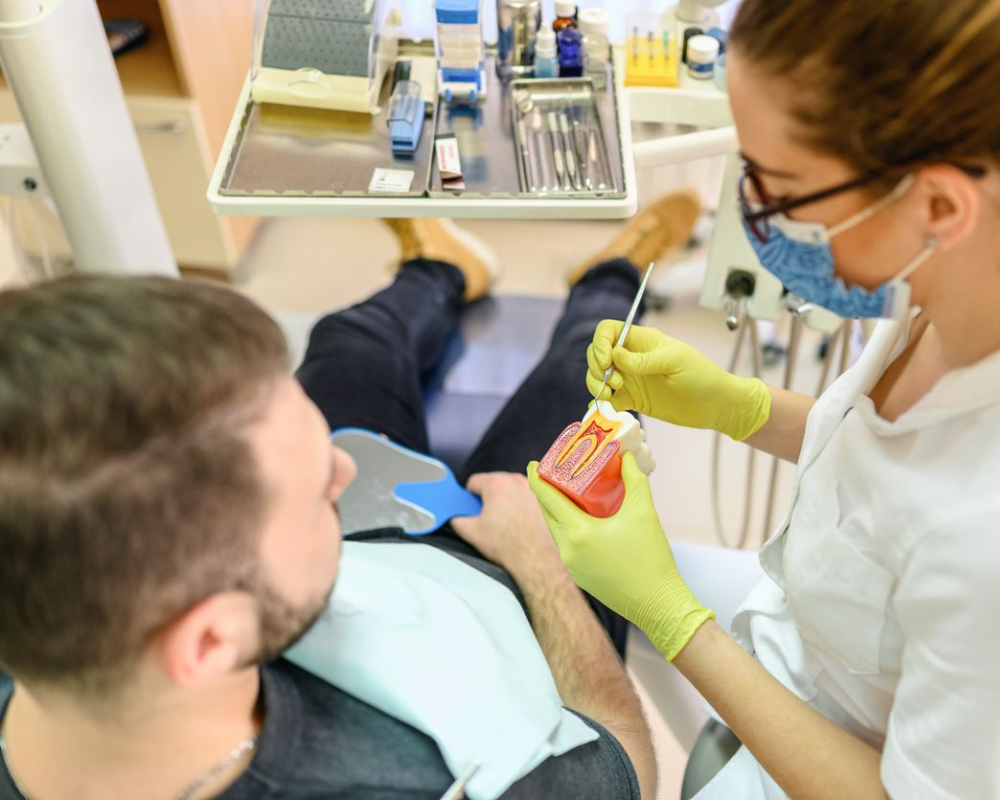
If not treated, gingivitis progresses to the more advanced phase of gum disease, periodontitis. This stage involves irreversible damage to the supporting bone and connective tissue. Symptoms may include persistent bad breath, discolored or purplish gums, pus between the teeth and gums, loosened or shifting teeth, pain while chewing, and gum recession. To combat periodontitis, our practice offers scaling and root planing, a deep-cleaning procedure that removes plaque and tartar from below the gumline. This treatment also involves smoothing the root surfaces to discourage bacterial growth and promote reattachment of the gum tissue to the tooth. For many patients, this procedure is a turning point in their periodontal recovery.
Scaling and Root Planing: Deep Cleaning for the Gums
It’s vital to treat gum disease as soon as it’s detected. We can advise our patients on changes in their hygiene procedures to eliminate gingivitis. For periodontitis, we perform a treatment called scaling and root planing.
This procedure is a non-surgical, deep-cleaning method that removes hardened plaque (calculus) from beneath the gumline and smooths the roots of the teeth. Smoothing the roots helps eliminate bacterial colonies and allows the gum tissue to reattach to the tooth surface.
Depending on the severity of the infection, this procedure may be done in one or more visits. Dr. Banavar may also recommend antimicrobial rinses or localized antibiotic treatments to further control the infection.
Periodontal Maintenance Therapy
Once periodontitis is under control, maintaining your results is essential. Patients who’ve undergone treatment for advanced gum disease are placed on a periodontal maintenance program, which includes:
- Professional cleanings every 3–4 months
- At-home care instructions and reviews
- Monitoring of gum tissue and bone levels
- Evaluation of new symptoms or risk factors
Regular follow-ups help prevent reinfection and keep your gums healthy over the long term.
Managing Gum Recession
Gum recession is a common side effect of untreated gum disease, aggressive brushing, or teeth grinding (bruxism). As the gum tissue pulls away from the teeth, it exposes the root surfaces, increasing sensitivity and risk of decay.
In more advanced cases, gum grafting may be recommended to rebuild lost gum tissue and protect the tooth roots. Dr. Banavar will assess your level of gum recession and recommend the appropriate treatment to restore both function and aesthetics.

Preventing Gum Disease at Home
While professional care is essential, the best way to prevent gum disease is through daily home care habits. We recommend:
- Brushing at least twice a day with fluoride toothpaste
- Using a soft-bristled toothbrush to avoid gum recession
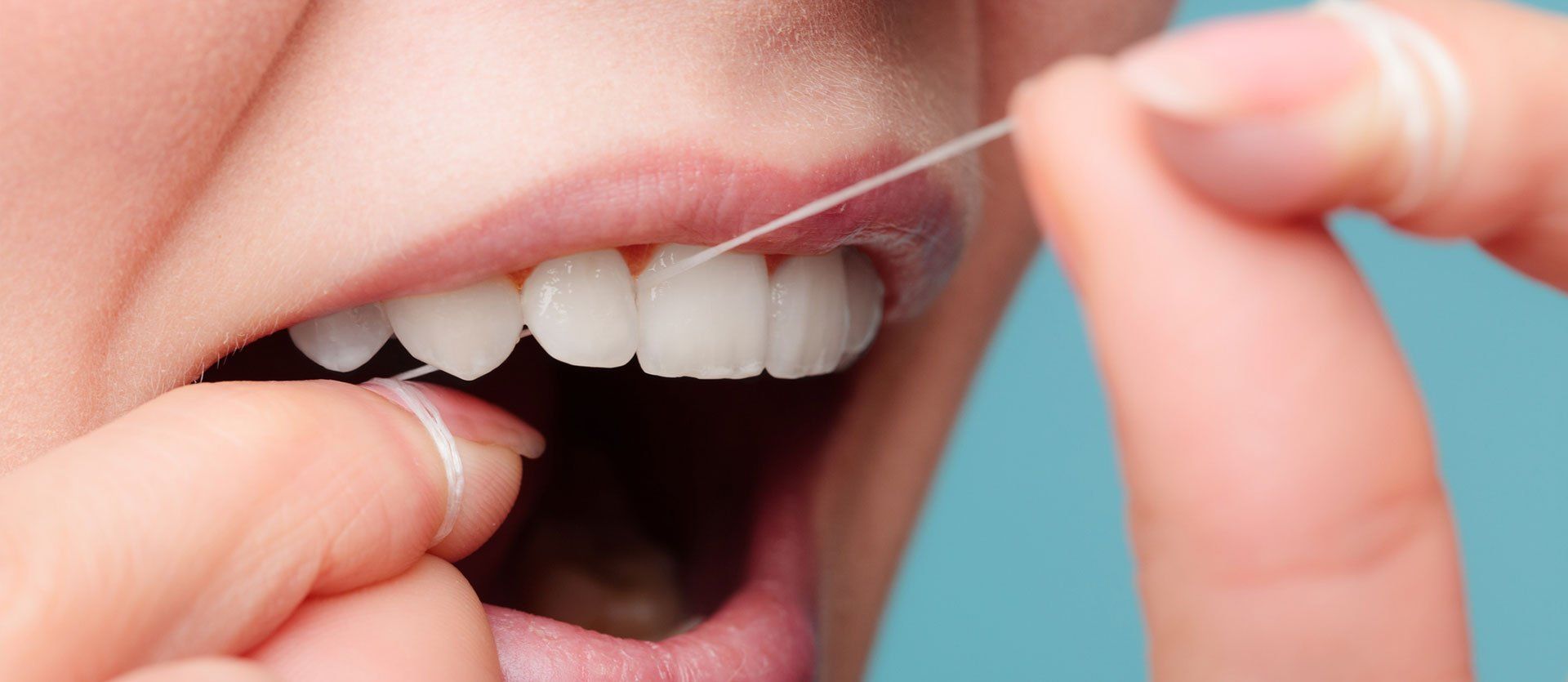
- Flossing daily to clean between the teeth and along the gumline
- Using an antibacterial mouthwash to reduce bacteria
- Avoiding smoking or tobacco use
- Eating a balanced, nutrient-rich diet
- Drinking plenty of water throughout the day
Our team will personalize your hygiene instructions based on your current gum health, habits, and risk factors.
Pediatric Periodontal Care
Even children can develop gingivitis or early signs of gum disease, especially if they wear braces or have poor brushing habits. We offer gentle periodontal screenings and education for children and teens to establish healthy routines early in life.
Gum Disease and Your Overall Health
The health of your gums doesn’t just affect your smile; it impacts your entire body. Research has shown strong links between periodontal disease and systemic health problems, such as:
- Heart disease
- Stroke
- Diabetes complications
- Respiratory infections
- Adverse pregnancy outcomes
Controlling gum disease may reduce the risk of these health issues and improve your overall well-being. It’s another reason why timely treatment and ongoing maintenance are so important.
Common Questions About Periodontal Care
Is Gum Disease Reversible?
Gingivitis, the earliest stage, is reversible with proper treatment and care. Periodontitis, however, causes permanent damage but can be managed and controlled to prevent further progression.
Does Treatment Hurt?
We use local anesthetics and gentle techniques to ensure your comfort during all procedures. For deeper cleanings, sedation options are available upon request.
How Do I Know if I Have Gum Disease?
If you notice bleeding while brushing, persistent bad breath, gum sensitivity, or gum recession, it’s time to schedule an evaluation.
Schedule Your Periodontal Evaluation Today
If you have any questions about your gum health, contact us at (703) 543-8112. Dr. Banavar and the SmileOn Dentistry team are here to help you preserve your teeth, protect your gum tissue, and restore confidence in your smile.
